

 See My Latest Article on HelloNation
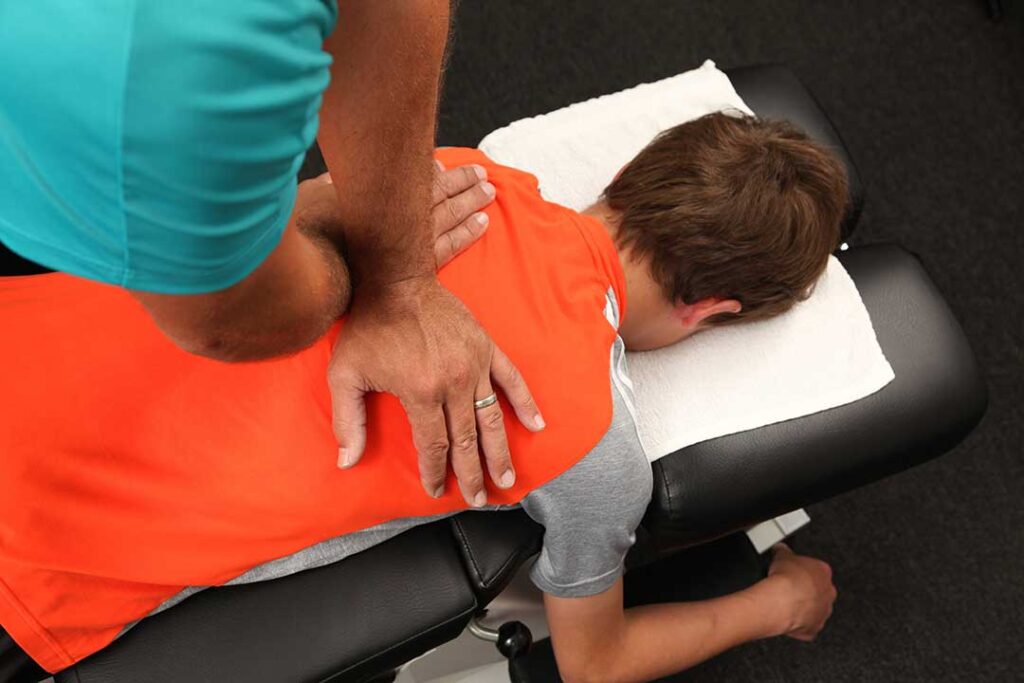
What Are Tension Headaches and Why Do They Happen?
Tension headaches are a common type of headache experienced by many people throughout Queen Creek, AZ. These headaches often cause a steady, dull pain or pressure, usually felt on both sides of the head or as a band-like tightness across the forehead and scalp. Most of the time, tension headaches are related to muscle tightness in the neck, scalp, and shoulders. Local factors such as prolonged phone use, working at a computer, dehydration in the dry climate, and stress from busy routines can contribute to muscle strain in area households.
Can Stretches Relieve Tension Headaches?
Yes—gentle, targeted stretching can often provide relief for tension headaches by relaxing tight muscles that contribute to pain. Stretches should be performed mindfully and with slow, controlled movements. Residents in Queen Creek who frequently experience headaches related to muscle tension can often benefit from a simple stretching routine—especially if their symptoms are related to posture or desk work.
Which Stretches Are Most Helpful for Headache Relief?
Certain stretches are especially effective for reducing neck, shoulder, and upper back tension, which can help ease headache intensity and frequency. Here are some that are practical for most local households:
Neck Stretch (Upper Trapezius Release):
Sit upright with shoulders relaxed.
- Gently tilt your right ear toward your right shoulder until a mild stretch is felt on the left side of your neck.
- Place your right hand over your head to add gentle pressure—not pulling, just enough for a deeper stretch.
- Hold for 20–30 seconds, breathing slowly.
- Repeat on the other side.
Chin Tuck (Posture Reset):
This stretch helps correct forward head posture, common from screen use.
- While sitting or standing upright, gently tuck your chin straight back (as if making a double chin), lengthening the back of your neck.
- Hold for 5 seconds, relax, and repeat 8–10 times.
Levator Scapulae Stretch:
Helpful for tightness running from the shoulder blades to the neck.
- Sit upright, raise your right elbow above shoulder height, and rest it on a doorframe or wall (if available).
- Turn your head 45° to the left, then gently look down toward your left armpit.
- Place your left hand on the back of your head for a light stretch, holding for 20–30 seconds.
- Switch sides.
Shoulder Blade Squeeze:
Engages muscles of the upper back, counteracting hunching.
- Sit or stand with arms at your sides.
- Pull your shoulder blades down and back, as if trying to squeeze them together.
- Hold for 5 seconds and repeat 10 times.
Gentle Chest Opener:
Can help address tightness from sitting and hunching, especially in home offices and schools.
- Stand in a doorway with elbows and forearms on either side of the frame.
- Step forward slightly until a gentle stretch is felt across your chest.
- Hold for 20–30 seconds, and repeat 2–3 times.

Adapt the intensity and duration of each stretch to how your body feels. Never force a movement, and stop any stretch that increases pain.
How Often Should These Stretches Be Done to See Results?
Most people in the community notice the most benefit by performing these stretches once or twice per day, especially during periods of increased screen time or stress. Consistency is more important than intensity—the goal is to gradually reduce muscle tension, not to stretch as far as possible. Residents often find added relief by setting periodic reminders (such as during water breaks) to move and stretch throughout the day, especially during the hot, dry season when dehydration and muscle tightness can worsen.
Are There Situations Where Stretching Might Not Help?
While stretches can reduce muscle-related headache symptoms, they won’t resolve all types of headaches. For example, headaches triggered by dehydration, lack of sleep, high environmental heat, or sinus issues common during dry or dusty times in Queen Creek may require other strategies. If headaches come with symptoms like vision changes, dizziness, confusion, fever, or they feel unusually severe, stretching is unlikely to help and medical attention may be advisable. Stretches should only be done to a gentle, comfortable limit—forcing movements can increase discomfort.
What Common Mistakes Should Local Residents Avoid?
- Using poor posture during stretches—sit or stand tall with shoulders relaxed
- Holding the breath—instead, breathe steadily and slowly
- Pulling forcefully on the neck or head
- Rushing through stretches or skipping days
- Using stretches as a substitute for addressing dehydration, sleep deprivation, or high stress levels
Many local households develop tension headaches during seasonal shifts, working long hours in front of screens, or after sleeping in unfamiliar positions (such as during travel or camping). Pairing regular stretching with attention to ergonomic setups, hydration, and stress management can make a noticeable difference.
Can Lifestyle Changes in Queen Creek, AZ Help Reduce Tension Headaches?
Yes, adjusting routine activities and home environments can support the effects of stretching. For example:
- Stay well-hydrated, especially during hotter months and dry weather
- Use ergonomic seating arrangements for remote work and school
- Take frequent breaks from screens and devices to relax the neck and shoulders
- Monitor air quality during dust storms—indoor air filters can reduce sinus and headache triggers for some residents
These simple shifts, alongside gentle stretching, help many in the city experience fewer and milder tension headaches.