

 See My Latest Article on HelloNation
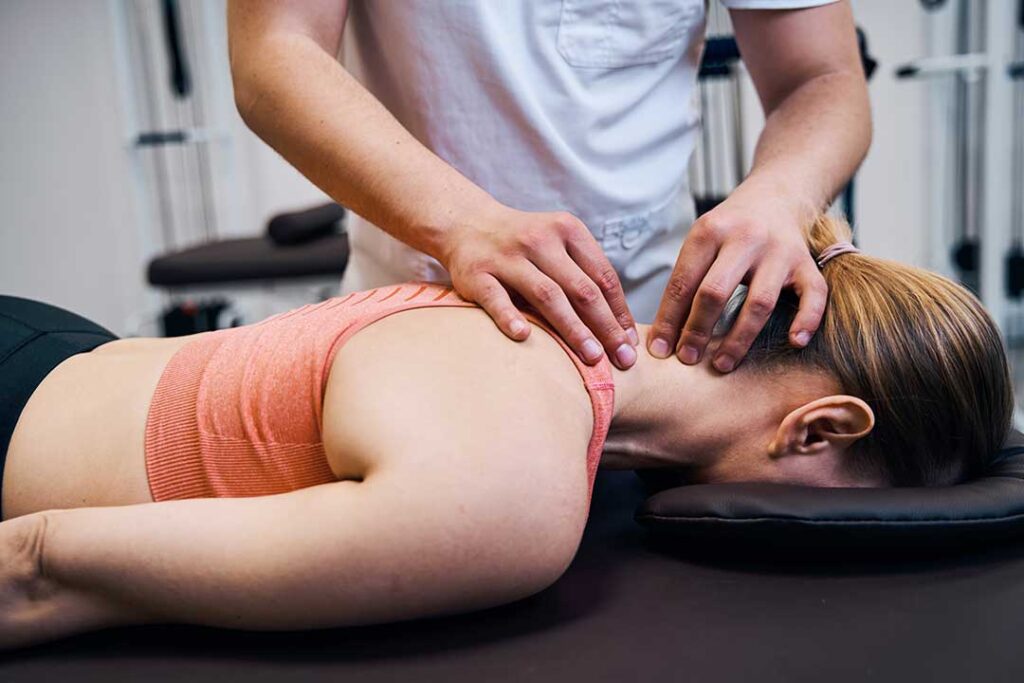
Poor posture is more than looking slouched. Repeatedly holding the head, shoulders, spine, or pelvis out of a comfortable position can increase muscle strain, limit movement, affect breathing mechanics, and contribute to recurring neck or back discomfort.
For residents of Queen Creek, posture can be influenced by long drives, desk work, home-office setups, phone use, exercise habits, and seasonal routines that keep people indoors during very hot weather. The goal is not to maintain a rigid “perfect” position all day. Healthy posture is generally comfortable, adaptable, and regularly changed.
What does poor posture do to the body?
Poor posture changes how the body distributes weight and uses muscles. When a position is held for a long time, some muscles work continuously while others become less active. This can create tension, fatigue, stiffness, and reduced coordination.
Common examples include:
- A forward head position while looking at a phone or laptop
- Rounded shoulders while sitting
- Slumping through the lower back
- Sitting with the pelvis tilted backward
- Standing with most body weight on one leg
- Reaching, lifting, or working with the trunk twisted
An awkward position does not always cause immediate pain. Symptoms may develop gradually because of the combined effects of duration, repetition, stress, limited movement, and physical workload.
Can poor posture cause neck and shoulder pain?
Yes. Forward-head posture can increase the work required from the muscles at the back of the neck and upper shoulders. Over time, this may contribute to aching, tightness, headaches related to muscle tension, or discomfort when turning the head.
Rounded shoulders can also affect how the shoulder blades and upper arms move. This may make reaching overhead, carrying objects, or exercising more uncomfortable. Poor posture is not the only possible cause of neck or shoulder pain, however. Injuries, arthritis, nerve irritation, and other medical conditions can produce similar symptoms.
A useful self-check is to notice whether discomfort increases after a specific activity, such as looking down at a phone, working at a kitchen counter, driving, or sitting through a long task. Patterns can help identify which habits need adjustment.
How can posture affect the lower back?
Slouched sitting can place the pelvis and lower spine in a less supported position. The muscles of the back and hips may then work harder to stabilize the body, especially when sitting for extended periods.
Poor posture may contribute to:
- Lower-back aching after sitting
- Stiffness when standing up
- Fatigue during household tasks
- Discomfort while driving
- Reduced tolerance for walking, lifting, or bending
Prolonged sitting is often more problematic than any single sitting position. Even a well-designed chair cannot replace regular movement. Alternating between sitting, standing, walking, and brief mobility exercises gives tissues a chance to change load and recover.
Does poor posture affect breathing or energy?
A collapsed posture can restrict movement of the rib cage and diaphragm. This does not mean that slouching causes serious breathing disease, but it may encourage shallower breathing and make the body feel more fatigued during quiet activities.
When the upper back is rounded and the shoulders are drawn forward, expanding the chest may feel less natural. Sitting taller with the ribs relaxed, the neck comfortable, and the feet supported can make breathing feel easier for some people.
Persistent shortness of breath, chest pain, dizziness, or unusual fatigue should not be attributed to posture alone. These symptoms require medical evaluation.
Can posture influence balance and movement?
Posture affects how the body organizes movement. A head that is consistently forward, a trunk that leans to one side, or a pelvis that is held unevenly can change balance strategies and movement efficiency.
People may notice:
- Feeling stiff when changing positions
- Moving more cautiously
- Favoring one side
- Difficulty maintaining comfortable walking or standing
- Reduced confidence with bending or reaching
Poor posture does not automatically mean that the spine is damaged or “out of place.” Bodies naturally vary, and asymmetry is common. The more useful question is whether a position is comfortable, functional, and changeable.
What everyday habits commonly contribute to poor posture?

Posture is shaped by the environment as much as by personal awareness. In area households, common contributors may include home workstations, soft couches, vehicle seating, gaming, phone use, and indoor routines during periods of extreme heat.
Workstation concerns often include:
- A screen positioned too low or too far away
- A chair that leaves the feet unsupported
- A keyboard or mouse that requires reaching
- Long periods without movement breaks
- Working from a bed or couch without adequate support
Phone use can also create repeated periods of neck flexion. Rather than trying to hold the phone perfectly all day, raise it closer to eye level when practical, use both hands when appropriate, and change position often.
How can posture be improved without becoming rigid?
The most helpful approach is usually frequent variation rather than forced straightness. Try these practical adjustments:
- Keep both feet supported when sitting.
- Let the shoulders rest instead of pulling them forcefully backward.
- Position screens near eye level when possible.
- Use a small cushion or chair support if the lower back feels unsupported.
- Change position every 20 to 30 minutes during prolonged sitting.
- Take short walking or stretching breaks during desk, driving, or household tasks.
- Keep frequently used objects within easy reach.
- Build strength and mobility gradually rather than relying only on posture reminders.
A comfortable standing position generally allows the ears, shoulders, hips, knees, and feet to remain reasonably aligned without locking the joints. There is no need to hold this alignment rigidly.
When should posture-related pain be evaluated?
Pain that is severe, worsening, persistent, or limiting normal activity deserves attention. Evaluation is especially important after a fall, collision, or other injury, or when symptoms include numbness, weakness, loss of coordination, fever, unexplained weight loss, or changes in bladder or bowel control.
A chiropractor, physician, physical therapist, or other qualified health professional may assess movement, strength, joint function, work habits, and possible medical causes. The appropriate approach depends on the symptoms. Posture education may be helpful, but it should not replace evaluation of warning signs.
Can poor posture be corrected?
Posture can often be improved, but “correction” does not mean keeping the body perfectly straight at all times. Sustainable improvement usually involves a combination of movement breaks, a better-fitting environment, physical conditioning, sleep and stress considerations, and attention to activities that repeatedly trigger discomfort.
The most realistic aim is a body that can move comfortably through many positions. A short walk, a change in chair position, a few relaxed shoulder movements, or standing briefly between tasks may be more useful than trying to maintain one ideal posture throughout the day.