

 See My Latest Article on HelloNation

What Is a Herniated Disc?
A herniated disc develops when the soft cushioning material between the spinal bones pushes out through a tear in the tougher exterior. This condition can lead to pain, numbness, or weakness, typically in the lower back or neck. The spine is made up of several vertebrae, each separated by discs that act as shock absorbers. When a disc herniates, it can press on nearby nerves and cause discomfort.
While herniated discs can affect people of any age, they're most common among adults between 30 and 50. Physical demands from frequent lifting, bending, or prolonged sitting—especially prevalent in households with home offices or in physically demanding outdoor jobs—can increase risk.
What Causes Herniated Discs in Queen Creek Residents?
Everyday activities and lifestyle factors play a significant role in spinal health for local residents. In Queen Creek, people may experience higher risk for disc issues due to:
- Outdoor chores in larger yards and gardens
- Recreational activities that stress the back (hiking, biking, or off-road sports)
- Repetitive bending, lifting, or twisting when transporting tools, gardening, or working in workshops
Sometimes, a single event such as slipping while working outdoors or lifting something heavy can trigger a disc problem. Age-related wear and tear is also common, and extended periods of sitting—whether for remote work or long commutes—can contribute to disc breakdown over time.
How Do Herniated Discs Affect Daily Life?
For some in the community, a herniated disc causes mild discomfort, while others face sharp pain, stiffness, or trouble moving comfortably. Symptoms often depend on the location of the herniation and which nerve, if any, is affected. Affected areas may feel:
- Tingling or numbness, sometimes radiating down the arm or leg
- Muscle weakness that makes it difficult to grip, walk, or lift objects
- Pain worsened by sitting, coughing, or bending
In households with active children or adults who balance fitness routines, these symptoms can disrupt routines or limit participation in local activities.
Can Chiropractic Care Support Herniated Disc Recovery?
Chiropractic care is a non-invasive approach that aims to relieve discomfort and promote mobility for people with herniated discs. The focus is on gentle, targeted adjustments designed to restore motion and address tension in the surrounding muscles and joints. For many, care plans include:
- Manual adjustments for improved spinal alignment
- Recommendations for gentle home stretches
- Education on posture and ergonomics
- Advice on heat/cold therapy for local pain relief
While chiropractic methods are not suitable for all types of herniated discs, especially those causing severe neurological symptoms (such as loss of bladder control or severe leg weakness), many community members find them helpful for managing daily pain and increasing movement safely.
What Should Residents Consider Before Starting Chiropractic Care?
Before trying chiropractic methods for a herniated disc, understanding factors unique to the local population helps set expectations and avoid complications:
- Not everyone with back or neck pain has a herniated disc—a thorough evaluation is essential
- Chiropractic care often works best as part of a broader approach, including physical activity modification, stretching, and practical ergonomic changes around the home or ranch
- Extreme symptoms, like sudden loss of strength, severe numbness, or changes in bladder or bowel function, require medical attention—these may indicate more serious nerve involvement
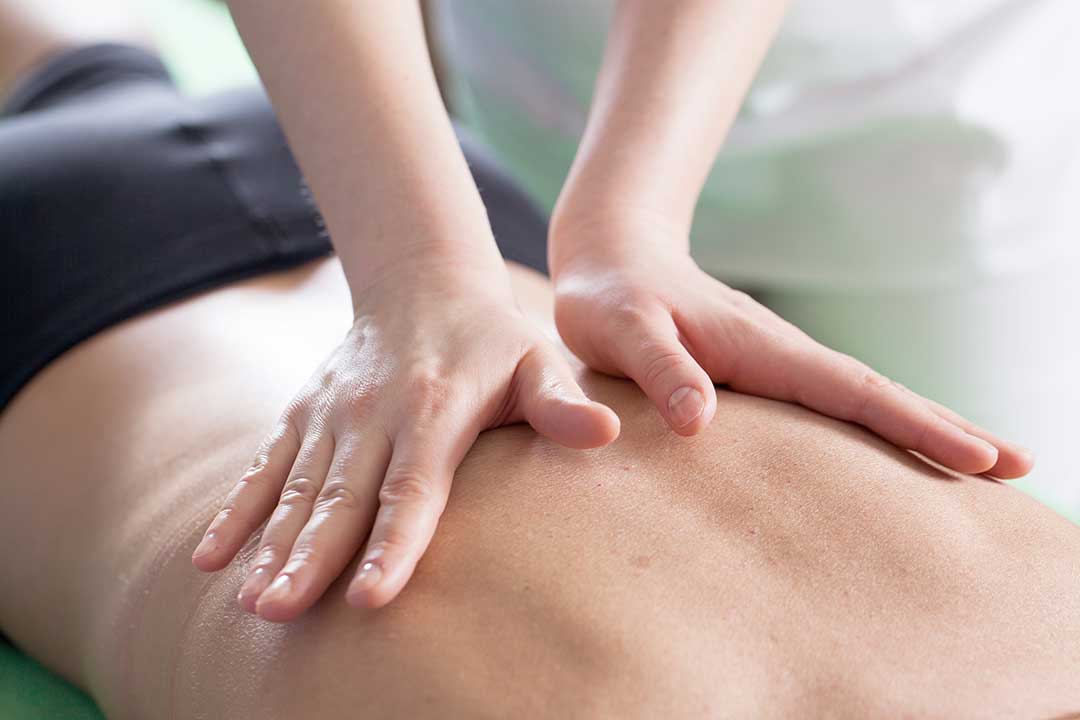
Chiropractors typically perform a detailed medical history and physical assessment. Sometimes, imaging such as MRI may be needed before proceeding with hands-on methods.
What Are Common Misconceptions About Herniated Discs and Chiropractors?
Some area residents worry that chiropractic adjustments are painful or risky for disc problems. However, gentle, low-force techniques are often used for these cases, with care tailored to protect the affected disc and nerves.
Other common misunderstandings include:
- Believing rest is always best—prolonged inactivity can slow recovery; gentle movement usually aids healing
- Assuming surgery is the only solution—many people get significant relief from non-surgical approaches, including chiropractic techniques
- Confusing disc herniation with general back pain—while related, not all back pain is caused by disc issues, and an accurate diagnosis is key to the right treatment
How Can Lifestyle Changes in Queen Creek Support Spinal Health?
Daily habits can contribute to disc wellness and help those with a history of disc problems recover more comfortably. For people living in the area, practical tips include:
- Incorporating frequent movement breaks during gardening, desk work, or driving
- Using proper lifting techniques when handling tools, feed, or outdoor equipment
- Adjusting workstation chairs and monitors to support good posture
- Staying hydrated, especially in warmer weather, to help maintain healthy soft tissue
- Choosing footwear with appropriate support for walking on local desert or uneven terrain
Making small, regular adjustments in daily routines can make a meaningful difference in spinal health for individuals with or without herniated discs.