

 See My Latest Article on HelloNation
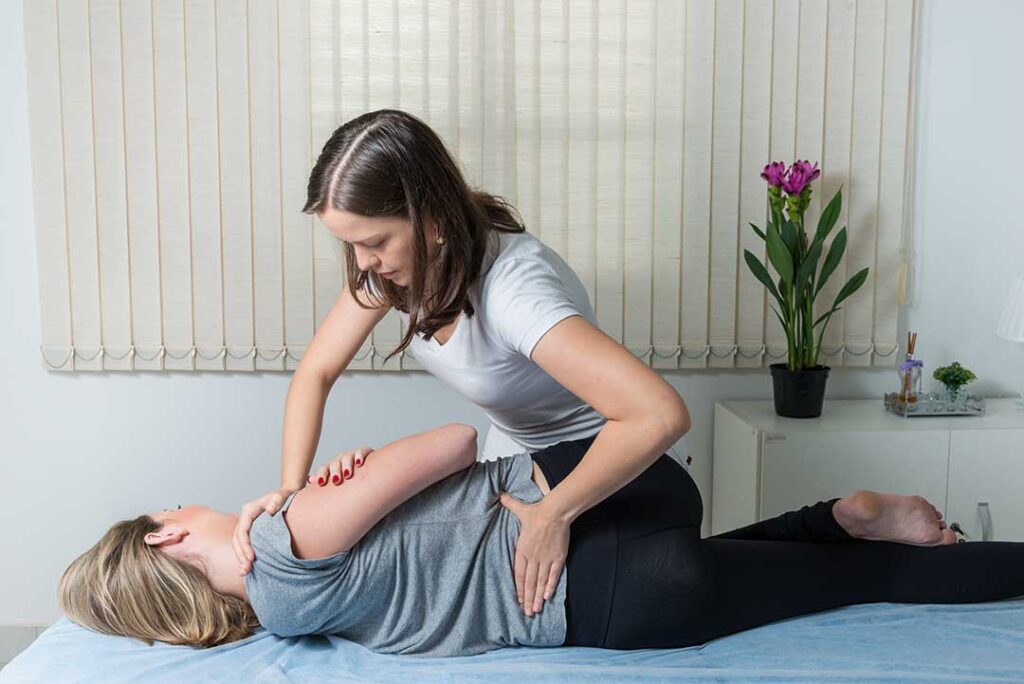
Why Strengthening Your Back Matters in Queen Creek, AZ
Residents of Queen Creek, AZ often lead active lives—whether gardening in backyard plots, hiking desert trails, or supporting family activities. A strong back supports daily comfort, helps prevent injuries, and makes these activities easier. Even simple exercises, done regularly at home, can help local residents maintain spinal health and reduce discomfort tied to work, weather, or hobbies.
What Everyday Activities Strain Your Back Most?
Many area households face back fatigue from repetitive motions or long periods of sitting. Common sources of strain in the city include:
- Lifting landscape materials or moving outdoor equipment
- Bending frequently while caring for pets or young children
- Yardwork during warm seasons
- Long drives to nearby cities or commutes from residential neighborhoods
Simple exercises can help counteract these effects, allowing local residents to keep up with the physical demands of the area’s lifestyle.
Which Simple Exercises Build Back Strength at Home?
There are a handful of movements almost anyone in the community can do safely without special equipment. These target major muscle groups that stabilize and support your spine.
1. Cat-Cow Stretch
This movement helps warm up the muscles that support the back.
- Begin on hands and knees, with wrists under shoulders and knees under hips.
- Slowly arch your back (cow), then round it upwards (cat).
- Repeat for 10-15 cycles.
2. Bird Dog
This exercise gently trains your core and lower back muscles.
- Start on hands and knees.
- Extend your right arm forward and left leg backward—keep hips level.
- Hold for a few seconds, then switch sides.
- Complete 8 to 10 repetitions per side.
3. Bridge
This strengthens the glutes and lower back, important for lifting and stability.
- Lie on your back with knees bent and feet flat.
- Press your feet into the floor and lift your hips upward.
- Hold for several seconds, then lower slowly.
- Perform 10-15 bridges.
4. Standing Back Extension
A good option for those whose daily routines involve a lot of bending or sitting.
- Stand with feet hip-width apart, hands resting on your hips or lower back.
- Gently arch backward, looking up, and hold briefly.
- Return upright.
- Repeat 8-10 times.
Anyone who routinely does yardwork, home improvement, or family caregiving in the city can benefit from these movements. They’re adaptable to most living rooms and patios, making them relevant even for those without access to a gym.
How Often Should You Exercise Your Back?
Starting with two to three non-consecutive days per week is often manageable for local households. Consistency is more important than intensity. Attempting too much, too soon, can worsen soreness—especially when adjusting for seasonal activities like gardening or snowbird home maintenance.
A good guideline:
- Begin with one set of each movement.
- Gradually add repetitions or a second set over 2-3 weeks.
- Listen to any new discomfort or fatigue; this often signals the need to slow down or modify the exercise.

Can Simple Exercises Help Prevent Common Back Issues?
For many in Queen Creek, staying active helps reduce everyday aches and maintains flexibility. Household chores, outdoor recreation, and caring for horses or pets can put stress on the lower back. Regular strength and mobility work can:
- Make yardwork less taxing—bending, digging, shoveling, or moving rocks
- Ease transition between indoor and outdoor activities as seasons change
- Support the ability to lift and carry everyday objects safely
However, these exercises are not a cure for persistent pain, severe injuries, or sudden loss of back function. Stop any movement that causes sharp pain or worsens symptoms; in some cases, professional medical evaluation is appropriate.
What Are Common Misconceptions About Back Strengthening?
A few myths sometimes confuse area residents:
- Only heavy weights build strength: Simple bodyweight exercises can be highly effective for most lifestyles.
- Stretching replaces strengthening: Both are important, but working the muscles adds critical support to your spine.
- Back pain always means rest: Gentle, regular movement—when safe—often lowers discomfort over time.
Local climate can play a role, too; extreme summer heat sometimes leads to reduced outdoor activity, making indoor back exercises a practical rainy-season option.
What Should Residents Watch Out For?
While these simple exercises are generally safe, precautions are wise:
- Skip or modify exercises if recovering from back surgery, recent injury, or if you have complex medical conditions.
- Avoid forcing movements—stop if you feel nerve pain, numbness, or tingling.
- Never use momentum or jerky motions; slow, controlled repetitions are safer.
Area residents often forget that hydration matters, especially during warmer seasons. Drinking enough water can positively impact muscle recovery and flexibility, supporting results from any back strengthening routine.
How Can Small Changes Support a Healthier Back?
Minor adjustments to daily movement patterns can make exercise benefits last longer:
- Alternate tasks that require bending or twisting.
- Use proper technique when lifting—bend at the hips and knees, not the waist.
- Break up long periods of sitting or driving with gentle stretching.
Sharing these tips across the community helps create a culture of spinal health and supports neighbors, friends, and family in staying active all year.