

 See My Latest Article on HelloNation
What Are Chiropractic Care Alternatives to Surgery?
Most people living in Queen Creek, AZ facing back pain, neck discomfort, or joint issues do not require surgery. Chiropractic care offers a range of non-surgical approaches focused on natural movement, alignment, and pain reduction. These methods are based on physical manipulation, exercise, and lifestyle adjustments—addressing pain and mobility issues without incisions or medication reliance.
Which Conditions Are Commonly Managed Without Surgery?
Many common musculoskeletal complaints can be addressed through non-invasive care, especially when no emergency symptoms like loss of function or severe nerve compression exist. Chiropractic methods often help individuals manage:
- Ongoing lower back or neck pain from sedentary work, gardening, or home projects
- Pain from auto accidents, slips, or minor sports injuries
- Discomfort related to postural stresses, especially relevant for residents spending significant time at desks, in home offices, or driving
- Headaches and migraines with a musculoskeletal origin
- Joint pain—shoulder, knee, or hip—from physical activity, aging, or recreational sports
Surgical intervention is generally reserved for cases with structural damage or severe complications not responding to conservative care.
Which Non-Surgical Techniques Are Used?
Residents seeking to avoid surgery often turn to these methods:
Spinal Adjustments:
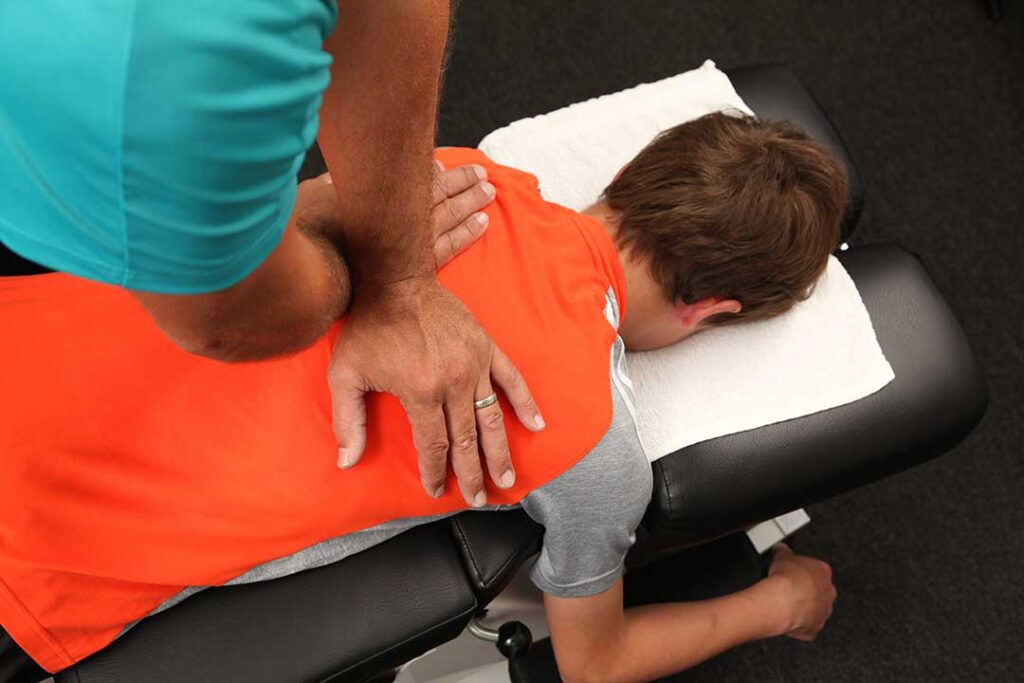
Gentle manual techniques are used to improve alignment, decrease stress on nerves, and support better mobility.
Therapeutic Exercise:
Targeted movements are prescribed to strengthen supporting muscles and stabilize joints—crucial for those who enjoy hiking local trails or maintaining active lives in the desert climate.
Soft Tissue Therapies:
Massage-like techniques, myofascial release, and other hands-on approaches help relieve muscle tightness and improve circulation.
Lifestyle Guidance:
Advice may cover home workstation setup, bedding choices for hot summers, or backyard ergonomics to limit strain from gardening or pool maintenance.
Postural Education:
Focused training teaches local residents how to move, lift, and carry objects safely—relevant for those with active children, home hobby projects, or pet care routines.
How Effective Are Non-Surgical Chiropractic Options?
Non-surgical care is often effective for persistent pain or functional problems not caused by emergencies or progressive disease. Evidence supports improved quality of life for a wide range of complaints. Results depend on matching treatment to individual needs and finding root causes, which can mean:
- Improved pain scores and daily comfort
- Reduced need for pain medication
- Better movement and flexibility, supporting local hobbies or household routines
- Enhanced ability to avoid flare-ups or further injury
Not every condition responds the same way, and ongoing self-care is usually needed.
What Are Common Misconceptions About Avoiding Surgery?
Some area residents believe surgery is the only definitive answer for chronic pain. In reality, structural surgery is rarely the first line of care. Common misunderstandings include:
- Thinking that “slipped discs” always need surgery—most heal with time and movement
- Assuming manual therapy is unsafe—when done by trained professionals, risks are low
- Believing that improvements will be immediate—most cases of chronic discomfort resolve over weeks with consistent care

When Should Residents Consider Non-Surgical Alternatives First?
People typically benefit from trying conservative, hands-on care before considering surgery except in cases involving:
- Severe trauma (such as from falls or accidents that result in numbness, paralysis, or loss of bladder control)
- Progressive neurological loss
- Known severe structural damage (diagnosed by imaging or a medical specialist)
Otherwise, most residents can start with physical methods and use personalized exercise, education, and therapy to attempt natural healing.
What Lifestyle and Self-Care Approaches Support Non-Surgical Recovery?
Queen Creek community members see better outcomes when they pair chiropractic or manual therapy with day-to-day self-care, such as:
- Regular low-impact exercise suited to the climate—early morning walks, swimming, or cycling
- Proper hydration, especially in the summer heat, to keep connective tissues healthy
- Ergonomic home and garden setups to avoid repetitive strain
- Routines that support sleep and stress management
These habits build resilience and make professional care more effective, reducing dependency on medical interventions.
How Can Residents Decide What’s Right for Them?
Deciding between surgical and non-surgical routes depends on the nature, duration, and severity of the symptoms. Many find it helpful to track pain patterns, lifestyle triggers, and prior attempts at self-management. Documenting changes over time and being honest about daily function gives area households a clearer view of whether conservative care continues to help—or if medical reevaluation may be needed.