

 See My Latest Article on HelloNation
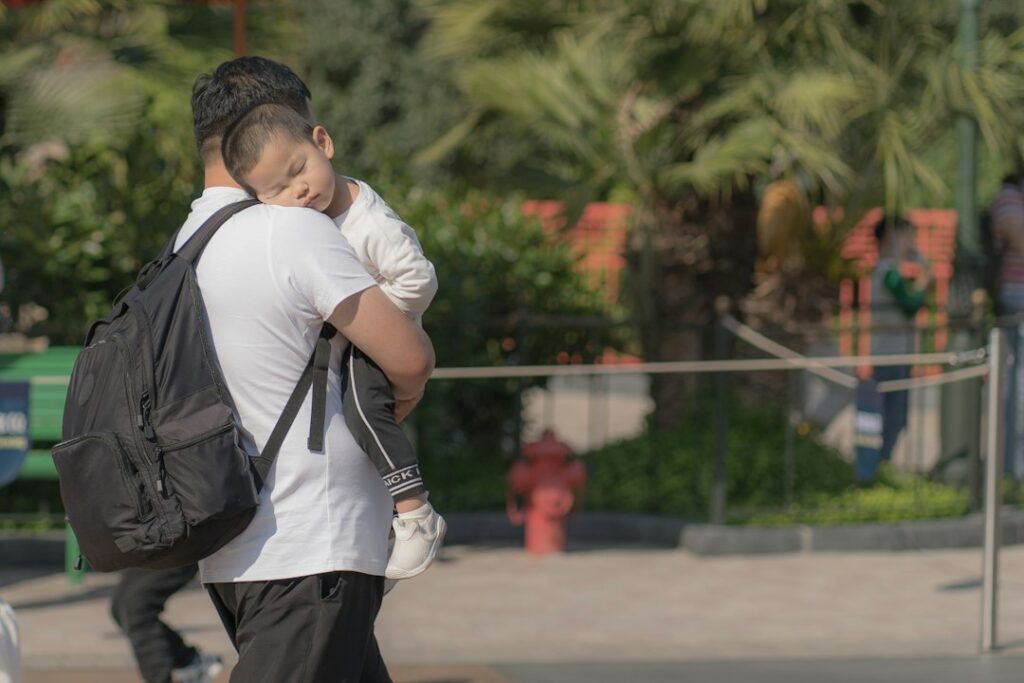
A backpack is part of most children’s school routine, but an overloaded or poorly fitted bag can contribute to neck, shoulder, and back discomfort. For families in Queen Creek, AZ, practical adjustments can make backpacks easier and safer to carry, especially during hot weather when fatigue and dehydration may make physical strain feel worse.
How heavy is too heavy for a child’s backpack?
A useful general guideline is to keep a loaded backpack at no more than about 10% to 15% of a child’s body weight. Some children may tolerate slightly more, while others may develop discomfort with less. The right limit depends on the child’s age, body size, strength, walking distance, health history, and how long the bag is carried.
For example:
- A child weighing 60 pounds may carry approximately 6 to 9 pounds.
- A child weighing 80 pounds may carry approximately 8 to 12 pounds.
- A child weighing 100 pounds may carry approximately 10 to 15 pounds.
These figures include everything inside the backpack, including books, binders, lunch containers, water bottles, sports equipment, and electronic devices. A bathroom scale can help families check the actual weight rather than estimating by appearance.
The percentage is a starting point, not a guarantee that a child will be comfortable. If a child is leaning forward, struggling to put on the bag, or reporting pain, the load or fit should be reassessed even if the backpack falls within the suggested range.
What problems can excessive backpack weight cause?
A heavy backpack increases the force placed on the muscles and joints of the neck, shoulders, upper back, and lower back. Children may respond by rounding their shoulders, arching their lower backs, leaning forward, or shifting the bag to one side.
Over time, this can contribute to:
- Shoulder or neck soreness
- Aching between the shoulder blades
- Low back discomfort
- Tingling or numbness from pressure on the shoulders
- Headaches associated with neck and upper-back tension
- Fatigue during walking
- Reduced balance or awkward movement
- Difficulty lifting or removing the backpack
Carrying a heavy bag does not usually cause permanent spinal deformity by itself. It also does not cause scoliosis, which is a structural condition involving spinal curvature. However, backpack strain can make existing discomfort more noticeable and may aggravate symptoms in a child who already has a musculoskeletal problem.
Why does the way a backpack is worn matter?
A properly designed backpack cannot compensate for poor carrying habits. Wearing both shoulder straps helps distribute the load across the body. Using only one strap shifts the weight to one side and may encourage uneven shoulder elevation or trunk leaning.
The backpack should sit relatively high on the back, with the bottom resting near the child’s waist rather than hanging near the hips. Shoulder straps should be adjusted so the bag stays close to the body without digging into the neck.
A chest strap can reduce side-to-side movement, especially while walking quickly or climbing stairs. A waist strap may help distribute some weight toward the pelvis, though younger children may not use it consistently.
Children should also bend at the knees and lift the bag with both hands rather than twisting or sharply bending at the waist. This is particularly helpful when the backpack is placed on the floor and contains heavier books.
How should a backpack be packed?
Packing affects comfort as much as total weight. Heavier objects should be placed close to the child’s back, where they are less likely to pull the body backward. Softer or lighter items can fill the outer sections.
A simple packing routine includes:
- Remove papers, books, and supplies that are not needed that day.
- Keep duplicate items at home when possible.
- Place heavier books closest to the back panel.
- Use smaller compartments to prevent items from shifting.
- Avoid carrying sports gear or recreational items unless they are needed.
- Check the backpack weekly rather than waiting until it becomes difficult to lift.
A backpack that feels manageable when standing still may become more tiring during a long walk or while moving between classrooms. The farther a child carries the bag, the more valuable a lighter load becomes.
Does heat change the effect of backpack weight?
Hot weather can make backpack strain more noticeable. In Queen Creek, summer conditions can include prolonged periods of very high temperatures. A child walking outdoors with a heavy bag may fatigue more quickly, sweat heavily, and change posture to reduce discomfort.

Families may want to pay attention to:
- Whether the child carries the backpack outdoors during the hottest part of the day
- Whether the bag presses against the back and traps heat
- Whether the child has access to water
- Whether the child becomes dizzy, unusually tired, nauseated, or confused
- Whether the child is rushing while carrying the bag
A backpack does not cause heat illness, but its weight can add physical demand during hot-weather travel. Symptoms such as confusion, fainting, severe weakness, or inability to keep fluids down require prompt attention and should not be treated as ordinary backpack soreness.
What signs suggest the backpack is not working well?
Children may not always describe strain as “back pain.” A child may complain of tired shoulders, ask for help putting on the bag, avoid carrying it, or appear to struggle when walking.
Watch for visible signs such as:
- Leaning forward or to one side
- Rounded shoulders
- Red marks that remain on the shoulders
- Difficulty standing upright after removing the backpack
- Frequent rubbing of the neck or shoulders
- Changes in walking speed or balance
- Repeated complaints after school
Pain that continues after the backpack is removed, wakes a child at night, follows a fall, or occurs with numbness, weakness, fever, or loss of bladder or bowel control deserves medical evaluation. Persistent symptoms should not be assumed to result only from the backpack.
What backpack features are most helpful?
The most useful features are usually practical rather than decorative. A well-fitting backpack should have two wide, padded shoulder straps, a padded back, several compartments, and adjustable straps. A chest or waist strap may improve stability when used correctly.
The bag should be proportional to the child’s torso. It should not extend far below the waist or be wider than the child’s body. A rolling bag may reduce shoulder loading in some settings, but it can be awkward on stairs, uneven ground, or crowded walkways. The child’s school environment and daily route matter.
A lightweight backpack is also helpful because the bag itself contributes to the total load. An empty bag that is already heavy leaves less room for necessary school materials.
Is a backpack safe if the child has no pain?
Usually, the absence of pain is reassuring, but it does not eliminate the need for good habits. Children may compensate for a heavy load without immediately reporting symptoms. Periodic checks of the backpack’s weight, fit, and contents can prevent small problems from becoming routine strain.
A practical approach is to check the bag at the beginning of the school year, after schedule changes, and whenever new complaints appear. The goal is not perfect posture at every moment. It is to keep the load reasonable, distribute it evenly, and notice problems early.