

 See My Latest Article on HelloNation
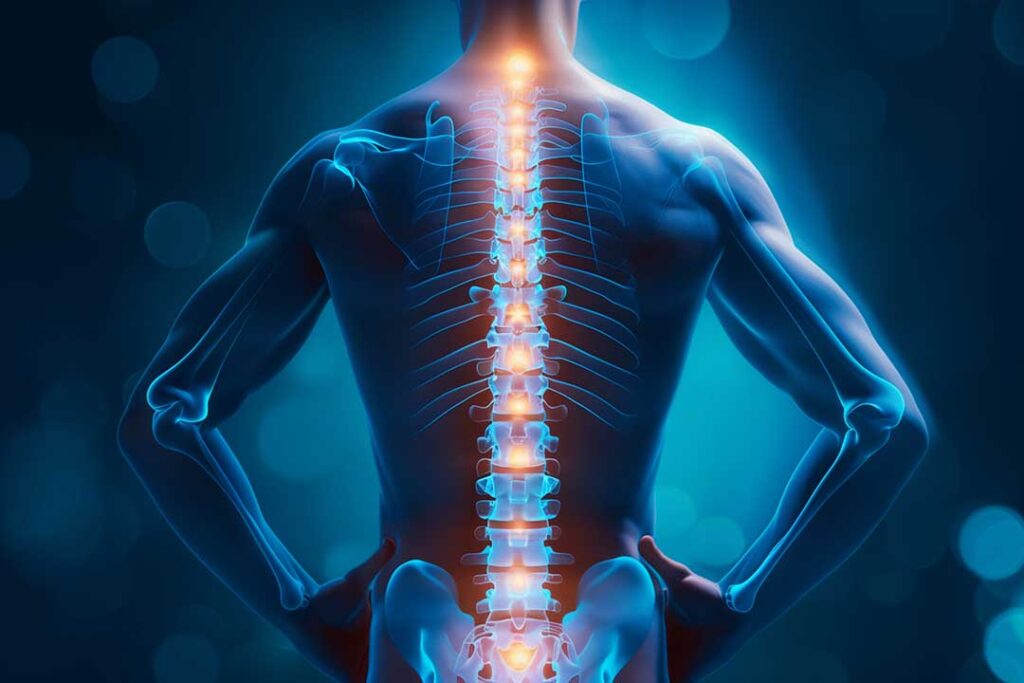
Joint cracking is common, and the sound by itself usually does not mean that a joint is damaged. For many residents of Queen Creek, AZ, an occasional pop in the fingers, knees, shoulders, back, or neck is simply a normal result of movement.
The more useful question is not “Did it crack?” but “What else is happening?” Pain, swelling, weakness, loss of motion, numbness, or a recent injury can change the meaning of a joint sound.
What causes joints to crack?
Most joint sounds come from one of three sources: pressure changes in joint fluid, moving tendons or ligaments, or rougher surfaces within a joint.
Synovial joints contain a small amount of lubricating fluid. When the joint is stretched or moved quickly, pressure can change inside the joint. Dissolved gases in the fluid can form a cavity, creating the familiar cracking or popping sound. This process is often called cavitation.
Other sounds occur when a tendon or ligament moves across a nearby bone. A shoulder may snap during rotation, or a hip may click when standing up. These sounds can be harmless when they are not painful and do not interfere with normal movement.
A grinding, grating, or sandpaper-like sensation is different from a single pop. It may reflect roughened cartilage, inflammation, or changes associated with aging or arthritis, particularly when it occurs with stiffness or discomfort.
Does cracking knuckles cause arthritis?
Available evidence does not show that habitual knuckle cracking causes hand arthritis. People who crack their knuckles may notice temporary changes in grip sensation or mild soft-tissue irritation, but the cracking habit itself is not considered a proven cause of osteoarthritis.
The sound also does not mean that bones are rubbing together. In a healthy finger joint, the noise generally comes from pressure changes in the joint fluid rather than bone damage.
That said, repeatedly forcing a joint into an uncomfortable position is not useful. A person who has to pull, twist, or strain to produce a crack may irritate the surrounding tissues even if the sound itself is harmless.
Is it normal for the back or neck to crack?
Occasional cracking in the spine can occur during stretching, turning, standing, or changing posture. The sound may come from small spinal joints, nearby ligaments, or pressure changes in the joint spaces.
Painless popping in the back is usually not concerning. It does not prove that a vertebra was “out of place,” and the absence of a sound does not mean that the spine is not moving well.
Neck sounds deserve a little more caution because the neck contains nerves and major blood vessels. Gentle, comfortable movement is generally different from forcefully twisting or repeatedly thrusting the neck to make it crack. Self-manipulation that causes pain, dizziness, tingling, or a headache should be stopped.
A sudden severe headache, unusual neck pain, facial drooping, trouble speaking, weakness, loss of coordination, or vision changes requires emergency medical attention rather than stretching or joint manipulation.
Does a cracking sound mean an adjustment worked?
No. A popping sound is not a reliable measure of whether a joint was properly adjusted or whether a treatment was effective.
Spinal manipulation can produce a cracking sound, but the sound is usually related to pressure changes in a joint. It does not show that a bone moved into a precise position, that inflammation was removed, or that a condition was corrected.
A meaningful improvement is better judged by function and symptoms. Relevant changes may include:
- Easier walking, bending, reaching, or turning
- Less pain during daily activities
- Improved range of motion
- Better tolerance for work, exercise, or household tasks
- Reduced stiffness without new symptoms
Some people experience short-term soreness, stiffness, or a mild headache after manual treatment. These effects commonly settle within a day or two, but worsening or persistent symptoms should not be ignored.
When should joint cracking be evaluated?
Joint noise deserves medical evaluation when it occurs with other symptoms or follows an injury. Warning signs include:
- Pain during or after the crack
- Swelling, warmth, or redness
- Reduced range of motion
- A joint that locks, catches, or gives way
- Numbness, tingling, or weakness
- New loss of grip strength
- Significant bruising or deformity
- Fever or feeling generally ill
- Symptoms that are steadily worsening

A knee that pops painlessly while climbing stairs is different from a knee that suddenly swells, locks, and cannot bear weight. A shoulder that clicks during relaxed movement is different from one that started popping after a fall and now feels weak.
In children and teenagers, persistent swelling, repeated giving way, or an inability to use a joint normally also warrants prompt attention.
Are there times when cracking should be avoided?
Avoid forcing a joint to crack when the maneuver causes pain, requires substantial pressure, or produces symptoms afterward. Extra caution is appropriate after a fracture, dislocation, surgery, or significant collision.
People with severe osteoporosis, certain inflammatory conditions, known spinal instability, serious nerve symptoms, or other medical risk factors may need to avoid specific forms of manipulation. A complete health history matters before any forceful treatment involving the spine, particularly the neck.
Medication history also matters. Blood-thinning medicines, long-term steroid use, and conditions affecting bone strength or bleeding risk can change how a musculoskeletal problem should be assessed.
What can residents do for painless joint noise?
If the sound is painless and movement remains normal, no special treatment is usually required. Helpful habits include staying physically active, changing positions during long periods of sitting, and building strength gradually rather than suddenly increasing exercise.
The hot, dry climate and outdoor lifestyle in Queen Creek can make hydration, warm-up time, and recovery especially relevant during strenuous activity. Exercising in high heat may increase fatigue and make people less aware of how much stress they are placing on joints and muscles. Short movement breaks, comfortable range-of-motion exercises, and gradual conditioning can help reduce unnecessary strain.
Do not use joint cracking as a test of alignment or as the only way to relieve stiffness. If a joint repeatedly feels stuck, painful, unstable, or increasingly limited, the underlying cause matters more than the noise.
The practical takeaway
Most painless joint cracking is a normal mechanical sound and is not evidence of arthritis or serious damage. The sound becomes more meaningful when it is paired with pain, swelling, weakness, numbness, instability, loss of motion, or injury.
For spinal or neck symptoms, comfort and function are more useful guides than whether a crack occurs. Gentle movement is generally preferable to forceful self-manipulation, and sudden neurological symptoms should be treated as an emergency.